
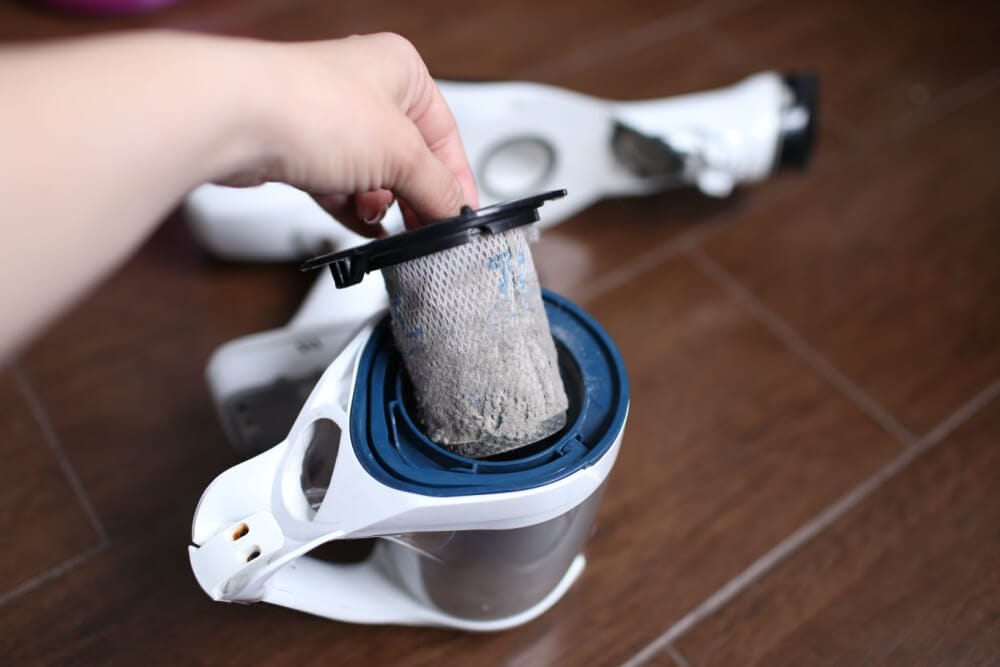
Reduce Airborne Pollutants with the Right Dust Filter System

Air pollution isn’t just an outdoor issue. In fact, indoor air can be two to five times more polluted than outdoor air, according to the U.S. Environmental Protection Agency (EPA). Whether you’re at home, at work, or in an industrial setting, the air you breathe can be filled with microscopic dust particles, allergens, and pollutants that you can’t see—but that can seriously impact your health and the environment.
This is where dust filter systems come in. With the right dust filter, you can dramatically reduce airborne pollutants, improve air quality, and contribute to a healthier, more sustainable environment—both indoors and out.
What Are Dust Filters?
A dust filter is a device or component that captures and removes particles like dust, pollen, mold spores, smoke, and even chemical pollutants from the air. These filters are used in HVAC systems, air purifiers, industrial machinery, and ventilation systems to trap pollutants before they circulate through your space or enter the atmosphere.
They come in various forms, including:
- HEPA (High-Efficiency Particulate Air) filters
- Carbon filters
- Electrostatic filters
- Industrial baghouse or cartridge filters
Each type has its own benefits depending on the level of air filtration required.
Why Dust Filters Matter More Than You Think
1. Protecting Your Health
Exposure to fine particulate matter (PM2.5 and PM10) can lead to:
- Respiratory issues (asthma, allergies, chronic bronchitis)
- Heart disease
- Decreased lung function
- Fatigue and poor sleep quality
A dust filter system removes these particles from the air you breathe, making your living or working space significantly healthier. For people with asthma, allergies, or respiratory sensitivities, using a high-efficiency dust filter can make a noticeable difference in daily comfort.
2. Improving Indoor Air Quality (IAQ)
Good indoor air quality is not just about temperature and humidity—it’s about what’s floating in the air. A dust filter removes not just visible dust but also:
- Pet dander
- Pollen
- Mold spores
- Volatile organic compounds (VOCs)
- Tobacco smoke particles
Cleaner air helps improve cognitive performance, reduces sick building syndrome, and makes the environment more pleasant for everyone.
3. Reducing Environmental Impact
In industrial settings, unfiltered dust and pollutants released into the air contribute to smog, acid rain, and overall environmental degradation. A proper dust filtration system captures these emissions at the source, helping companies stay compliant with environmental regulations and reduce their carbon footprint.
In homes and offices, using eco-friendly filters and maintaining them properly reduces the energy needed to run HVAC systems, further contributing to sustainability.
Choosing the Right Dust Filter System
With so many options available, how do you choose the right filter for your space? Here are key factors to consider:
1. Type of Environment
- Residential: Opt for HEPA filters in air purifiers or HVAC systems for high-efficiency filtration of allergens and dust.
- Commercial/Office: Use MERV-rated HVAC filters (Minimum Efficiency Reporting Value) of 8–13 to balance filtration and airflow.
- Industrial: Systems like baghouse filters, cartridge filters, and wet scrubbers are used to handle large volumes of hazardous or fine dust.
2. Filter Efficiency
- HEPA filters capture up to 99.97% of particles as small as 0.3 microns.
- Carbon filters help remove odors and gases.
- Electrostatic filters attract and trap charged particles using static electricity.
Choose a filter that suits your air quality concerns—whether it’s allergens, odors, or chemical pollutants.
3. Maintenance and Replacement
A neglected filter can become a breeding ground for bacteria and mold. It also restricts airflow, forcing your system to work harder and consume more energy.
Tips:
- Check filters monthly and replace them every 3–6 months, depending on usage.
- In industrial settings, follow manufacturer guidelines for cleaning and disposal of used filters.
4. Eco-Friendliness
Look for:
- Reusable filters that can be washed and reused.
- Biodegradable or recyclable materials in filter construction.
- Energy Star-rated systems for lower power consumption.
Signs You Need to Upgrade Your Dust Filter System
If you’re unsure whether your current system is effective, here are some signs it may be time for an upgrade:
- Persistent dust buildup even after cleaning
- Allergy symptoms worsening indoors
- Musty odors or poor ventilation
- Visible soot or haze in the air
- HVAC system working inefficiently or making unusual noises
Switching to a more efficient filter or purifier can resolve these issues and significantly improve indoor conditions.
Benefits Beyond Clean Air
Investing in the right dust filter system doesn’t just clean your air—it adds long-term value in several ways:
- Energy savings: Cleaner filters improve airflow and system efficiency.
- Reduced cleaning costs: Less dust means less frequent deep cleaning.
- Increased equipment lifespan: Filters protect HVAC and machinery from dust-related wear and tear.
- Regulatory compliance: For industrial operations, staying within emission standards helps avoid fines and penalties.
An Effective Next Step for a Healthier Space
Whether you’re concerned about allergy symptoms at home, workplace air quality, or industrial emissions, the right dust filter system is a powerful first step. It’s a relatively simple upgrade with wide-reaching benefits: improved health, better comfort, reduced energy bills, and a lighter environmental impact.
With air pollution continuing to rise globally, taking control of your indoor air quality isn’t just smart—it’s essential.
Final Thoughts
Dust filters may not be flashy, but their impact is undeniable. They silently remove harmful particles, protect your health, and reduce your carbon footprint—making your environment cleaner and safer every day.
If you haven’t evaluated your air filtration system lately, now’s the time. With the right dust filter system in place, you’ll breathe easier—literally and figuratively.