
Why Educational Wooden Toys Are Key to Boosting Your Child’s Brain Development

In a world filled with blinking lights and talking plastic toys, it’s easy to overlook the value of something simple, natural, and timeless—educational wooden toys. While modern toys often claim to promote learning through sound and screen interaction, research and child development experts consistently highlight the lasting benefits of more tactile, open-ended play.
Wooden toys may not come with batteries or apps, but what they offer instead is much more powerful: a way to help your child think, imagine, and grow smarter—naturally.
The Appeal of Wooden Toys in a Digital Age
As parents increasingly become aware of the downsides of screen time and overstimulation, many are turning back to traditional toys. Educational wooden toys, made from natural materials and free from electronic distractions, provide a calmer, more thoughtful form of play.
These toys promote active learning rather than passive entertainment. Instead of watching lights flash, children build, sort, imagine, and create. That difference in engagement level makes all the difference for young minds.
How Wooden Toys Enhance Brain Development
1. Stimulating Cognitive Thinking and Problem-Solving
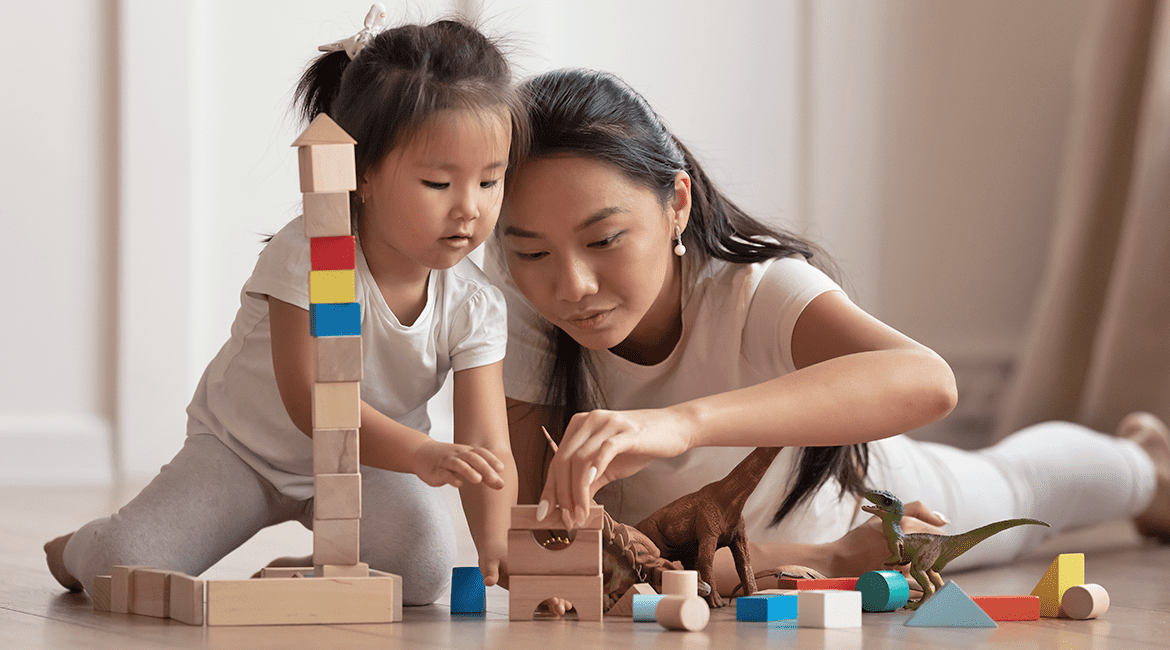
Wooden puzzles, shape sorters, and building blocks require children to figure things out on their own. Whether they’re matching shapes, balancing towers, or constructing patterns, these activities foster critical thinking, memory retention, and spatial awareness.
When a child repeatedly experiments to find which puzzle piece fits or how to stack blocks without them toppling, they’re building valuable brain pathways tied to logical reasoning and problem-solving.
2. Boosting Fine Motor Skills
The texture and weight of wooden toys provide excellent sensory feedback that helps strengthen motor control. Grasping a wooden block or rotating a gear improves hand-eye coordination and dexterity, both essential for future skills like writing and self-care.
Compared to plastic, wooden materials require more deliberate handling. That slight resistance challenges tiny muscles and nerves, encouraging the development of fine motor precision.
3. Encouraging Focus and Attention Span
Unlike noisy toys that encourage distraction, wooden toys promote deep concentration. Their simplicity invites children to engage more thoughtfully with their play, extending their attention span naturally.
Whether they’re carefully aligning wooden train tracks or constructing with blocks, this kind of mindful play builds patience and persistence—core habits for lifelong learning.
Educational Wooden Toys Support Creativity and Imagination
Children don’t need a toy to tell them what to do. In fact, the best toys are those that don’t dictate the play—and that’s where wooden toys shine.
A wooden block can become a car, a house, or a spaceship. A stackable ring toy turns into a color sorter, a counting game, or a castle tower. These open-ended possibilities inspire storytelling and creative thinking.
Through unstructured play with wooden toys, children develop:
- Narrative thinking (making up stories or roles),
- Symbolic thinking (using one object to represent another),
- And self-expression (building their inner world into reality).
This kind of imagination-building is strongly linked to emotional intelligence, language development, and later academic success.
Safer, Greener, and More Meaningful
Another benefit not to be ignored is the safety and sustainability of educational wooden toys. Most quality wooden toys are free from toxic chemicals, BPA, and small breakable parts that pose choking hazards. For health-conscious families, that’s a huge win.
They’re also environmentally friendly, often made from renewable resources and built to last through years—and even generations—of play.
Additionally, because wooden toys are usually minimalist, they help parents and children focus on quality over quantity. Fewer, better toys tend to create more meaningful engagement and reduce clutter both mentally and physically.
Types of Educational Wooden Toys That Support Smart Growth
Here are a few examples of wooden toys that support various stages of cognitive and emotional development:
1. Wooden Blocks and Stacking Toys
- Support spatial intelligence, balance, and early engineering skills.
- Encourage early math concepts like size, symmetry, and structure.
2. Shape Sorters and Peg Boards
- Improve logical reasoning and fine motor control.
- Help toddlers understand categorization and cause-effect relationships.
3. Wooden Puzzles
- Enhance visual memory and problem-solving.
- Improve hand-eye coordination and patience.
4. Wooden Role-Play Sets (kitchens, tool benches, dollhouses)
- Encourage imagination and social-emotional learning.
- Foster communication skills through pretend scenarios.
5. Wooden Counting or Alphabet Boards
- Promote early literacy and numeracy.
- Create tactile, visual learning that sticks better than screen-based teaching.
Why Wooden Toys Outperform Plastic Alternatives in Learning
While some plastic toys are educational in design, they often rely on flashing lights and sound to capture attention—leading to passive interaction. This makes the child a spectator rather than a participant.
Wooden toys, on the other hand, require active thinking. There’s no flashing light to tell the child what’s right or wrong—they must engage their mind to solve problems or imagine new ways to play. This strengthens neural connections in a way that screen-based or noise-based toys simply cannot match.
An Effective Next Step for Nurturing Your Child’s Brain
If your goal is to raise a curious, capable, and confident learner, educational wooden toys are one of the most reliable tools at your disposal. They may not buzz, beep, or blink—but that’s exactly the point. Their silent strength lies in encouraging a child to think independently, explore deeply, and create with intention.
By choosing wooden toys, you’re not just buying a product—you’re investing in slow, meaningful development that lasts long after the toy is put away.
Final Thoughts
In today’s fast-paced, screen-heavy world, going back to basics can feel like a bold move—but it’s one that pays off. Educational wooden toys offer the perfect balance of simplicity, engagement, and developmental value.
They support smarter, more focused, and more imaginative children—and that’s something every parent wants. So the next time you’re shopping for your child, don’t ignore the power of a simple wooden toy. It may just be the smartest choice you’ll ever make for their early growth.